
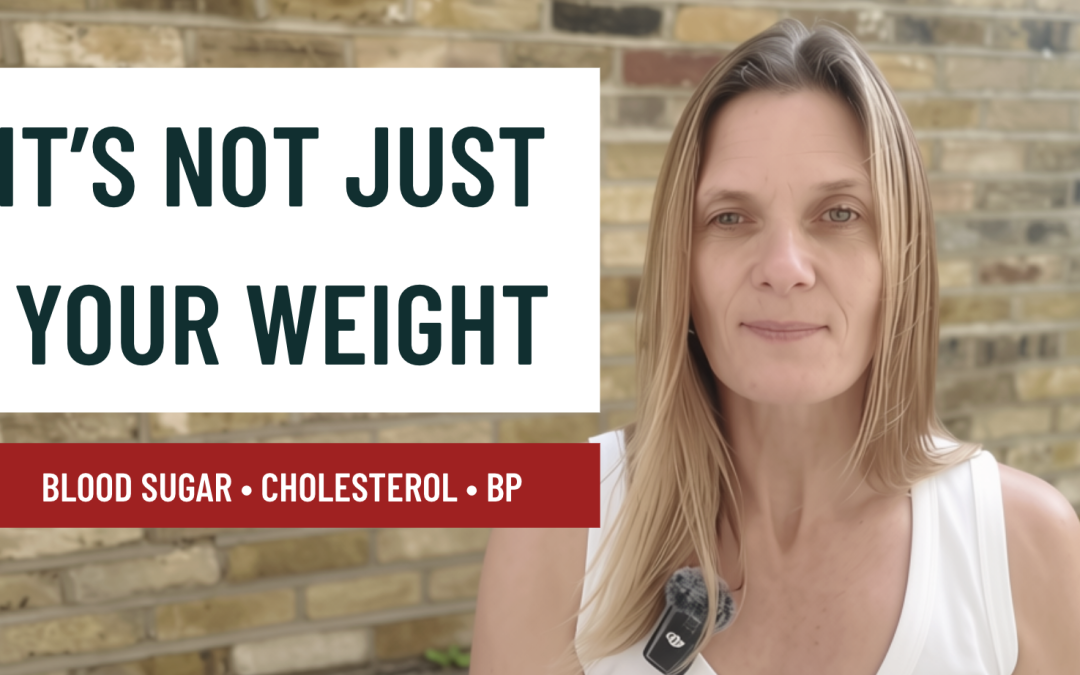
What Actually Is Metabolic Health And Why Should You Care?
By Anita Wong DipION mBANT CNHC | Nutrition Uncovered
We hear so much about metabolic health these days, but what does it actually mean?
And more importantly, why should you care about it, even if you feel perfectly healthy?
What is metabolic health?
Put simply, your metabolism is all the processes happening inside your body that help turn food into energy and keep you functioning. But metabolic health isn’t just about having a fast metabolism or being able to lose weight.
It’s about how well your body manages things like:
- Blood sugar: How effectively your body regulates glucose in your bloodstream.
- Blood pressure: Keeping your blood pressure within a healthy range.
- Blood fats: Including cholesterol and triglycerides, which are important markers of cardiovascular health.
- Abdominal fat: How much fat you carry around your middle, which can influence your risk of developing metabolic conditions.
Together, these factors help us understand our risk of developing conditions such as type 2 diabetes and cardiovascular disease.
But I feel healthy, so why should I care?
Here’s something I think is really important.
You can feel absolutely fine and still have raised blood pressure, high blood glucose or unhealthy cholesterol levels.
These changes don’t always cause noticeable symptoms, particularly in the early stages.
And you don’t necessarily have to be overweight either.
That’s why I think we need to stop judging our health purely by what we see on the scales.
What’s happening inside our bodies matters just as much as what we see on the outside.
So, what can we do to support our metabolic health?
The good news is that supporting metabolic health doesn’t have to be complicated. And it certainly doesn’t mean following another restrictive diet. Here are a few simple things worth focusing on.
Eat more fibre-rich foods.
Vegetables, fruit, beans, lentils and wholegrains provide fibre and nutrients that support blood glucose regulation, cholesterol management and gut health.
Include protein regularly.
Protein helps maintain muscle, and muscle plays an important role in how our bodies use glucose. This becomes particularly important as we get older.
Choose more unsaturated fats.
Foods such as olive oil, nuts, seeds and oily fish can help support cardiovascular health, particularly when they replace foods higher in saturated fat.
Don’t be afraid of carbohydrates.
Carbohydrates are an important source of energy. Rather than cutting them out, focus on choosing more fibre-rich sources, such as oats, wholegrains, root vegetables, beans and fruit.
Keep moving.
Walking, cycling, resistance training or whatever activity you enjoy can help improve metabolic health. Getting enough sleep and managing stress are important too.
Start by thinking about what you can add
Here’s something I’d really like you to take away. Instead of constantly thinking about what you need to cut out of your diet, start thinking about what you could add in.
Could you add some seeds to your breakfast?
More vegetables to your dinner?
Or perhaps some beans or lentils to your lunch?
These might seem like small changes, but consistently improving the quality of what you eat can make a meaningful difference over time.
Supporting your metabolic health doesn’t have to mean following another restrictive diet.
Sometimes, it’s simply about making better everyday food choices.
Would you like some personalised nutrition support?
Knowing what constitutes a healthy diet is one thing, but understanding what your own body needs can sometimes be more challenging.
Whether you’re looking to improve your metabolic health, manage your cholesterol, support your energy levels or simply feel more confident about your food choices, personalised nutritional guidance can help you identify where to focus your efforts.
At Nutrition Uncovered, I work with you to understand your health goals, current eating habits and lifestyle, helping you make practical, sustainable changes that fit into your everyday life.
If you’d like to explore how nutritional support could help you, I’d love to have a chat.
Further reading and references
For more information on metabolic and cardiovascular health, the following UK resources provide useful evidence-based guidance:
- NICE – Overweight and obesity management (NG246). Includes guidance on assessing central adiposity and using waist-to-height ratio as an indicator of health risk. https://www.nice.org.uk/guidance/ng246
- NICE – Hypertension in adults: diagnosis and management (NG136). Guidance on identifying and managing high blood pressure.
https://www.nice.org.uk/guidance/ng136 - NICE – Cardiovascular disease: risk assessment and reduction, including lipid modification (NG238). Guidance on cardiovascular risk assessment and blood lipids.
https://www.nice.org.uk/guidance/ng238 - NHS – Eatwell Guide. UK recommendations for a healthy, balanced dietary pattern.
https://www.nhs.uk/live-well/eat-well/food-guidelines-and-food-labels/the-eatwell-guide/ - NHS – Exercise guidelines for adults aged 19 to 64. Recommendations for regular physical activity and muscle-strengthening exercise.
https://www.nhs.uk/live-well/exercise/physical-activity-guidelines-for-adults-aged-19-to-64/
Anita Wong DipION mBANT CNHC is a Registered Nutritional Therapist, former Cardiac ICU Nurse and founder of Nutrition Uncovered.
Fuel. Function. Energy.
This article is for educational purposes only and does not replace personalised medical advice. If you have concerns about your blood pressure, blood glucose or cholesterol, speak to your GP or another appropriate healthcare professional.