
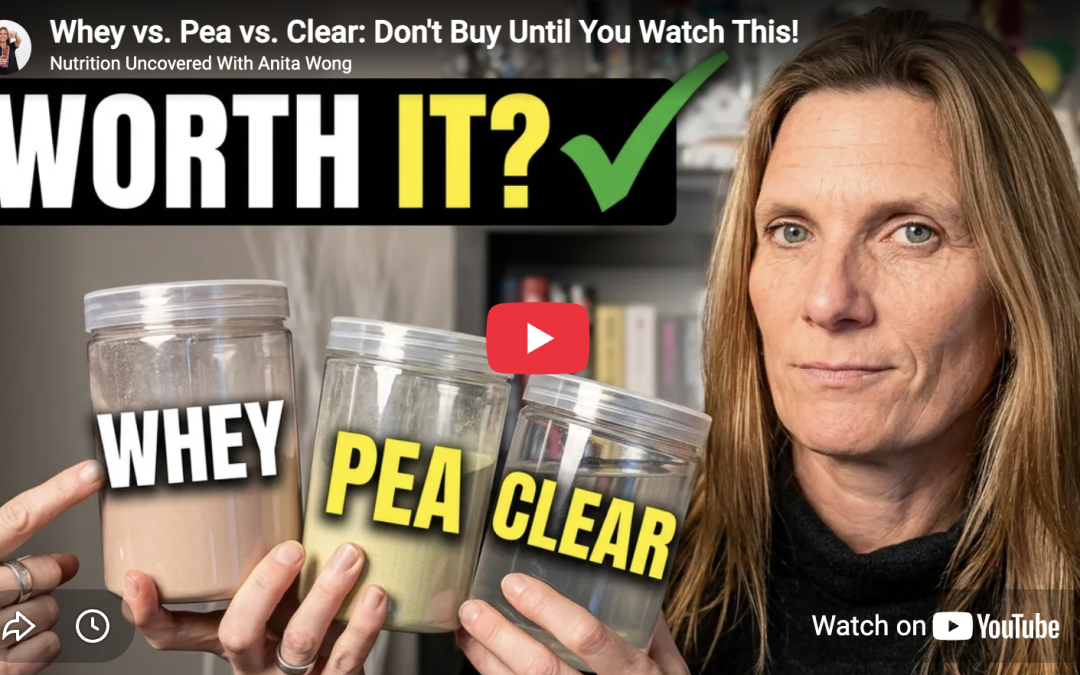
Whey, Pea or Clear Protein: Which One Should You Choose?
Protein powders are everywhere these days. But with so many options, how do you know which one is right for you?
Walk into a health food shop or browse online and you’ll find whey protein, pea protein, plant-based blends, clear protein drinks and plenty of products promising to support muscle growth and recovery.
But are they really that different? And do you actually need a protein powder in the first place?
As a qualified nutritionist and competitive BMX athlete in my 50s, I pay close attention to protein, especially when it comes to maintaining muscle mass, supporting strength, and recovering from training.
However, I don’t believe everyone needs to be drinking protein shakes.
Protein powders are simply a convenient way to increase your protein intake when you’re struggling to get enough from everyday food.
So let’s look at three different types, what makes them different, and how you can use them.
Why does protein matter, especially as we get older?
Protein is essential for maintaining and repairing tissues, including our muscles. It also helps produce enzymes, hormones, and other substances our bodies need to function.
As we age, maintaining muscle mass becomes increasingly important. This is especially relevant for women during and after menopause, when hormonal changes and ageing can affect body composition and muscle function.
Regular resistance exercise, alongside sufficient protein and overall energy intake, helps us maintain strength and muscle health.
But before reaching for a protein supplement, remember that foods such as eggs, fish, meat, dairy products, tofu, beans and lentils can all contribute towards your daily requirements.
Protein powders are about convenience, not replacing a balanced diet.
1. Whey Protein: A Popular Choice for Muscle Health
Whey protein comes from milk and is one of the most researched protein supplements.
One advantage is that it naturally contains all nine essential amino acids.
Amino acids are the building blocks of protein. Our bodies can make some, but we need to get the other nine from food.
One amino acid worth knowing about is leucine.
Leucine plays an important role in stimulating muscle protein synthesis, the process through which our bodies build and repair muscle proteins.
Whey is naturally rich in leucine, making it a useful option for supporting muscle maintenance and recovery alongside exercise.
Whey concentrate versus whey isolate
You may notice two common types when shopping:
-
Whey concentrate: Contains protein alongside varying amounts of lactose, fat and carbohydrates.
-
Whey isolate: Undergoes additional processing to remove much of the lactose and fat, resulting in a higher protein proportion.
Whey isolate may be easier to tolerate for some people sensitive to lactose, but it is still derived from milk and isn’t suitable for those with a milk protein allergy.
In my video, I’m using Momentous Whey Protein Isolate as an example.
How can you use whey protein?
You don’t have to drink a shake!
Whey protein can be particularly useful in:
-
Breakfast cereals, by mixing it into the milk first.
-
Porridge or overnight oats.
-
Smoothies with fruit, yoghurt or milk.
-
Pancakes, muffins and baked oats.
-
Greek yoghurt to make a higher-protein snack.
When adding it to hot porridge, I recommend mixing the powder with a little cold liquid first, then stirring it in towards the end of cooking to help avoid lumps.
2. Pea and Plant Protein: A Dairy-Free Alternative
Plant-based protein powders have become increasingly popular, particularly among people who avoid dairy or follow a vegetarian or vegan diet.
Pea protein is one of the most common options.
Like whey, pea protein contains all nine essential amino acids, but in different proportions.
For example, pea protein is relatively lower in methionine than some animal-based proteins, and leucine levels can also differ.
This doesn’t mean pea protein is ineffective for building or maintaining muscle.
It simply means we should pay attention to how much protein we’re consuming and its essential amino acid composition.
Some manufacturers combine different plant protein sources, such as pea, hemp, rice or fava bean, to create a more balanced amino acid profile.
In my video, I’m using MycoPro, a plant-based protein that also contains mushroom extracts.
While mushroom ingredients are often promoted for various health benefits, I would assess this product mainly on its protein content and nutritional quality, rather than assuming the mushrooms provide additional performance benefits.
How can you use plant protein?
Plant protein powders can work particularly well in:
-
Smoothies with banana and berries.
-
Porridge and overnight oats.
-
Yoghurt alternatives.
-
Homemade energy bars.
-
Pancakes, muffins and baked oats.
Some plant proteins have a slightly earthy taste or thicker texture than whey.
They can also absorb more liquid, which is worth keeping in mind when baking.
My advice is to experiment with smaller amounts rather than replacing all the flour in a recipe.
3. Clear Protein: Something a Little Different
If you’re not keen on traditional creamy protein shakes, clear protein might be worth considering.
Unlike conventional whey or plant protein shakes, clear proteins are designed to produce a lighter, fruit-flavoured drink.
But here’s something important:
Clear protein isn’t a separate source of protein.
You can buy clear whey protein or clear plant protein.
The difference is largely in the formulation and how the protein behaves when mixed with water.
In my video, I’m using PlantFusion Clear Plant Protein, which uses pea-derived protein.
It’s designed to mix with water to create a refreshing drink rather than a thick, creamy shake.
How can you use clear protein?
Personally, I’d keep clear protein for drinks rather than adding it to cereals or baking.
You could:
-
Mix it with chilled water.
-
Add ice for a refreshing drink.
-
Use it as a convenient way to increase your protein intake during the day.
Remember that clear protein products don’t necessarily contain the same amount of protein per serving as traditional powders.
Always check the label.
What Should You Look for When Buying Protein Powder?
Before buying a protein powder, I’d recommend checking four things.
1. Protein per serving
Don’t confuse scoop size with protein content.
A 30g scoop doesn’t necessarily provide 30g of protein.
For a substantial protein supplement, I often look for around 20–30g of protein per serving, although smaller amounts can still be useful when adding protein to meals.
2. The amino acid profile
Look at the protein source and, where provided, the essential amino acid profile.
Leucine is particularly relevant to muscle protein synthesis, but you need all essential amino acids to support muscle protein building.
You don’t need to memorise every amino acid. Understanding that both the quantity and quality of protein matter is a good starting point.
3. Ingredients and digestibility
Check the ingredient list, including sweeteners, flavourings and thickeners.
A longer ingredient list doesn’t automatically mean a product is unhealthy, but it helps to know what’s included and whether you tolerate it.
4. Cost and practicality
An expensive protein powder isn’t necessarily better for you.
Think about the cost per serving, the amount of protein it provides and how you’re actually going to use it.
There’s little benefit in buying a large tub if you dislike the taste or texture!
Whey vs Pea vs Clear Protein: A Quick Comparison
| Whey protein | Pea/plant protein | Clear protein | |
|---|---|---|---|
| Protein source | Milk | Plants | Whey or plants |
| Essential amino acids | All nine; leucine-rich | All nine; proportions vary | Depends on source |
| Texture | Usually creamy | Often thicker or earthier | Light and refreshing |
| Breakfast cereals | Very suitable | Very suitable | Usually less suitable |
| Smoothies | Excellent | Excellent | Better mixed with water |
| Baking | Suitable with adjustments | Suitable with adjustments | Usually not ideal |
| Dairy-free | No | Yes, if formulated without dairy | Depends on source |
So, Which Protein Powder Would I Choose?
It really depends on your needs.
Whey protein is a convenient option with an excellent essential amino acid profile.
Pea and other plant-based proteins can be effective alternatives, particularly for people avoiding dairy.
Clear protein provides another option if you prefer something light and refreshing rather than a creamy shake.
But my biggest advice is not to get too caught up in the marketing.
Look at the actual protein content, consider the amino acid profile and choose something that fits into your everyday eating habits.
And remember, getting sufficient protein consistently throughout the day matters far more than buying the most expensive tub.
Protein powders can be useful, but they’re not essential for everyone.
Watch my video: Protein Powders Explained
I’ve put together a practical video comparing whey, plant and clear protein, including the products I’m using and some simple ways to incorporate them into everyday meals.
Watch my Protein Powders Explained video
I’d love to know whether you use protein powders and, if so, how you prefer to use them.
Anita Wong, DipION, mBANT
Nutrition Uncovered — Fuel. Function. Energy.
Would you like more personalised nutrition support?
Knowing what to eat is one thing, but understanding how to make nutrition work for your individual health goals can sometimes feel more challenging.
At Nutrition Uncovered, I help people make practical, sustainable changes to their eating habits, whether that’s supporting metabolic health, maintaining muscle, improving heart health or simply feeling more confident about their food choices.
If you’d like to explore how personalised nutritional support could help you, I’d love to have a chat.
Anita Wong DipION mBANT
Registered Nutritional Therapist | Nutrition Uncovered
Fuel. Function. Energy.